
burning sacred urgency
...

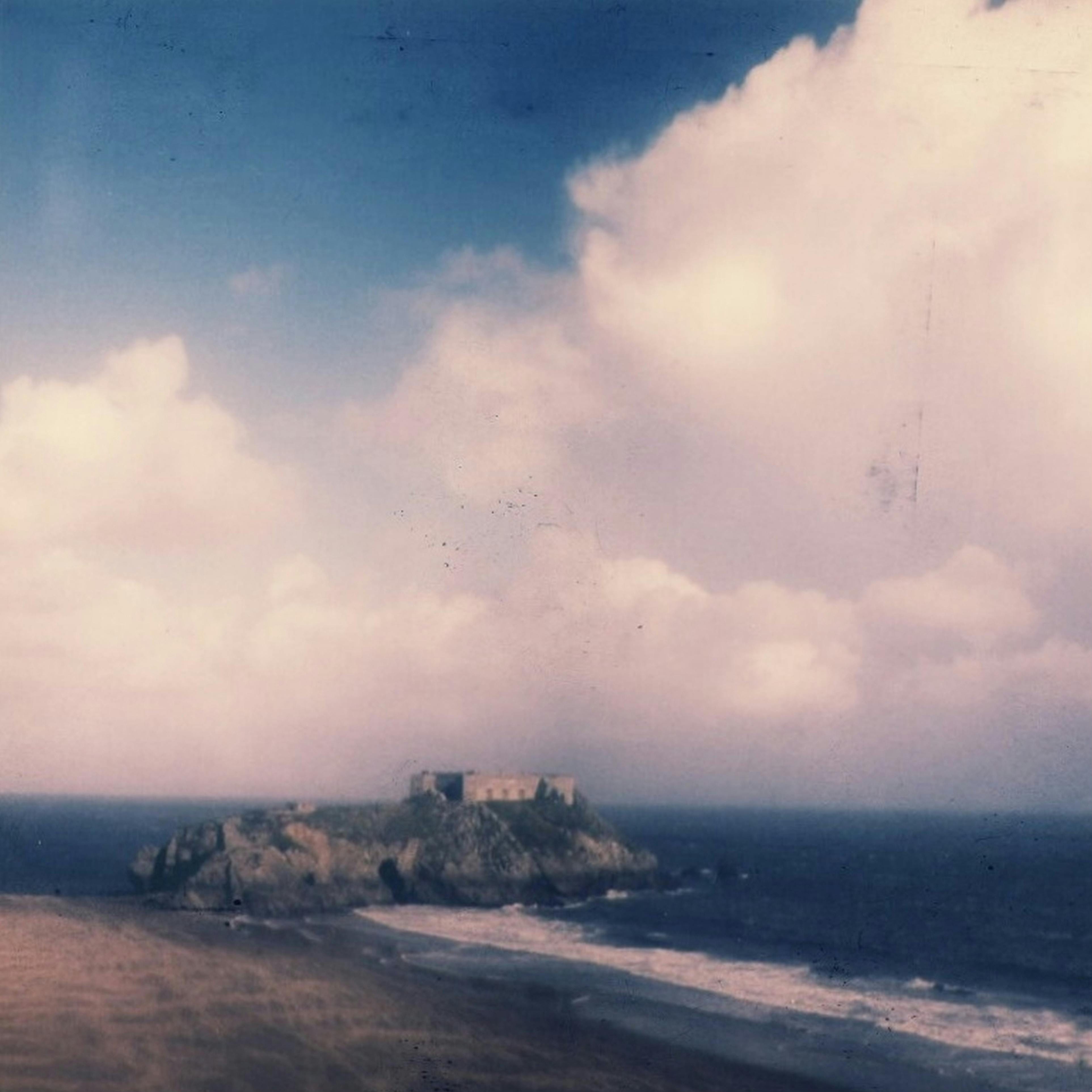
pretending particles waver on a paper sky
and you sit and wonder what it takes
to really rebel against it all…
the discipline, the order, the machine —
in pursuit of greater methods, your soul
sits high up on a dusty shelf
and now we free-associate a better life for everyone
while you fail to negotiate a simpler path…
return the items to their origin point
because you can’t ever use them here…
muddy the instructions a little and
put a heavier chain around your neck —
I don’t know why they won’t accept me…
is there something passive in my approach?
your agents fail to change and they neglect
to make choices that arise from within themselves—
isn’t that what it’s really like?
doesn’t that reflect the murky hell we all
find ourselves in?
eh… maybe there will be a new way
and maybe sometime soon —
maybe these dirty words will somehow make
it in, somehow land in the places
where they belong — I believe we will make it,
eventually, but until then, these lows of language
will have to navigate the gunky liquid pressure stream
and tell their own forgotten story, a tale
of writhing burning sacred urgency
that just about everyone can understand
Garbage Notes:
This poem is about craving acceptance. As a person, as a writer. We all want to be understood. We all want our words to be appreciated.
I wrote this at a time when I was finding it really difficult to sell stories. I would get rejections telling me that my protagonists were too passive. That my plots didn’t work. And that a lot of my characters don’t change. And I’m thinking, well shit, most of my fucking protagonists and characters are just alternate-world versions of me. And fuck, nothing in my life ever seems to work. So is there something about me they don’t like?
Real life is messed-up. And often people don’t change. And yes, a lot of times things are just happening to us, with no causal chains, and there’s no making sense of it. Clean endings are elusive. And even the bravest people, in terms of strict story-telling principles, can come off as afraid and reactive and passive and flat.
It’s easier for me not to take things so personally now. And though, yes, I still write a lot of main characters that are just bizarro versions of yours truly, I have come to realize that you can’t hang all your self-worth on other people getting it—getting you.
I like to write weird stuff. So what? I like to write mundane stuff. Okay, and? I like to write stuff that feels like what it’s like to be alive today. And I’m going to tell the truth: sometimes, in this world the things required to be alive are actually kind of deadening.
Yeah, I know I can be somewhat transgressive, and out-there, and quirky in my behavior and habits. And so I tend to write stories that reflect those strange sides of me. I’m not going to stop doing that.
As the poem says, there’s a part of me that really does like to ‘rebel against it all’. But I know most people, the gatekeepers especially, are extra vigilant of those writers trying to break the rules all the time.
The poem isn’t all hopeless, though. The line, “maybe these dirty words will somehow make it in, somehow land in the places where they belong — I believe we will make it, eventually.” This is the kind of semi-delusional belief that you need as a writer.
No matter how much you’re told your ideas suck, that your style sucks, that you suck—well, you just say fuck it, I’m going to keep on writing anyway.
Franco Amati 2026
If you enjoyed this piece, a paid subscription would be the best way to show your support. But if you aren’t ready for that sort of commitment yet, you can always send me a one-time donation on my Ko-fi page.
That line, “you can’t hang all your self-worth on other people getting it, getting you” feels like the quiet axis this whole piece turns on.
It reminds me of The Alchemist: the idea that meaning isn’t found in applause or comprehension, but in the act of walking your own life all the way through. Lived forward. Understood backward. Not validated externally, but embodied internally.
So much of real life is passive, murky, unresolved. People don’t arc neatly. Stories don’t always “work.” And yet they’re still true. Still alive. Still sacred in their mess.
Maybe the rebellion isn’t against form or gatekeepers at all,
maybe it’s the refusal to abandon your inner truth just to be legible.
Not everyone will get it.
But the work still counts if you stayed honest inside it.
That’s not failure.
That’s fidelity.
I really appreciate this—both the poem and the reflection. The willingness to keep writing from lived experience, even when it doesn’t fit clean expectations, is something I deeply respect. It feels honest in a way that matters.